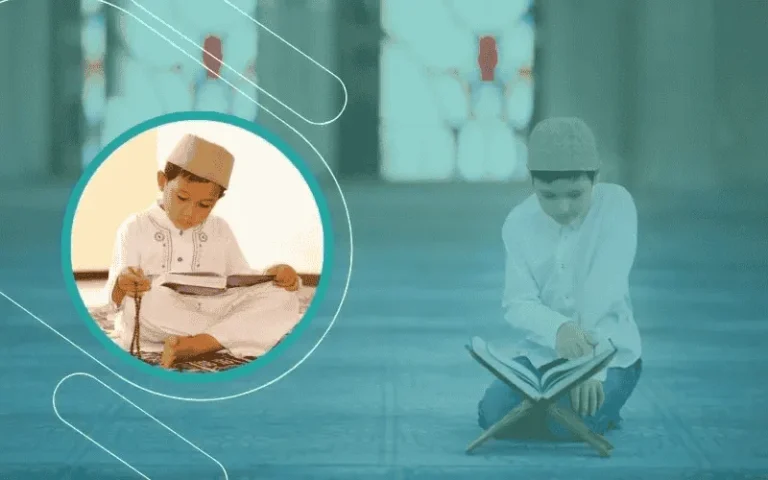
Most children who start Hifz between ages 7 and 12 complete full memorization of the Quran in 2 to 4 years, studying consistently most days of the week. Adults who dedicate 45 to 90 minutes a day typically finish in 3 to 5 years. The single biggest factor isn’t age or natural talent — it’s how consistently a student revises what they’ve already memorized, not just how much new material they add each week.
If you’ve been wondering whether your child (or you) can realistically commit to a Quran Memorization Course, here’s what actually determines the timeline, based on how memorization has traditionally worked for centuries and how it plays out with students taking Online Quran Classes today.
Why Revision Matters More Than Speed
New memorizers often assume the goal is to move through the Quran’s 30 parts (Juz) as fast as possible. In practice, a huge portion of Quran Memorization Course time isn’t spent learning new verses at all — it’s spent reviewing what’s already been memorized so it doesn’t fade.
A commonly used standard among Quran teachers is roughly five parts of revision for every one new part memorized. That ratio is why two students who memorize new material at the same pace can finish at very different times — the one who skips or rushes revision ends up re-learning verses they thought they already knew, which slows everything down in the long run.
This is also why a rushed, “finish fast” approach usually backfires. A student who memorizes quickly but revises poorly often has to restart sections months later. Steady, unhurried progress with real revision built in almost always finishes ahead of a sprint-and-stall approach.
Realistic Timelines by Age and Commitment
Children (ages 7-12), studying 5-6 days a week, 30-60 minutes a day: 2 to 4 years for full memorization. Younger children in this range often move a little slower at first while they’re still building focus and reading fluency, then pick up pace once Noorani Qaida and basic reading are solid.
Teenagers, studying 30-45 minutes a day around school: 3 to 5 years, depending heavily on how much school, exams, and other commitments compete for their time. Teens who treat Hifz as a fixed part of their daily routine (not something squeezed in when there’s time left over) tend to finish faster.
Adults, studying 45-90 minutes a day: 3 to 5 years. Adults often memorize new material more slowly than children at first, since childhood is a naturally strong period for language absorption — but adults typically have better focus and self-discipline for consistent revision, which balances things out over time.
Anyone studying inconsistently — a few days one week, none the next: Timelines stretch significantly, sometimes doubling. Inconsistent revision is the single most common reason Hifz takes far longer than a student expected.
What Actually Speeds Things Up (and What Doesn’t)
Helps:
- A fixed daily time slot, even if short, rather than “whenever there’s time”
- Reading fluency and correct Tajweed before starting heavy memorization — trying to memorize verses you can’t yet read smoothly slows everything down
- Regular, structured revision sessions, not just new-page memorization
- A teacher who tracks progress consistently and catches revision gaps early, rather than only checking new material
If you (or your child) can’t read Quran fluently yet, that’s the real starting point. Jumping straight into Hifz without solid reading skills usually means learning verses by sound alone, which leads to pronunciation mistakes that are harder to fix later. Our Quran Reading Course is built exactly for this — get comfortable reading fluently first, then move into memorization with a much stronger foundation.
Doesn’t help as much as people assume:
- Cramming long sessions once or twice a week instead of shorter daily sessions
- Skipping revision to move faster through new material
- Comparing one student’s pace to another’s — starting age, reading fluency, and available daily time vary too much for direct comparisons to mean anything
So, How Long Does It Take to Memorize the Quran, Really?
If someone tells you Hifz “only takes a year” or “guarantees” a fixed timeline regardless of how much time a student can commit, treat that as a sales claim, not a realistic plan. Genuine memorization timelines depend on daily time available, consistency, and revision discipline — not the academy’s marketing.
A more useful question than “how long will it take” is: how much consistent daily time can I realistically commit, and will my teacher structure revision properly, not just new memorization? Students who start with a clear, honest answer to that question tend to have a far smoother experience than those chasing an unrealistic timeline.
Frequently Asked Questions
Is it too late for an adult to start memorizing the Quran?
No. Adults memorize successfully all the time — the process takes a bit longer per page on average than it does for children, but consistent adult students often have an advantage in discipline and revision habits that balances this out.
Do I need to finish Noorani Qaida before starting Hifz?
Yes, generally. Memorizing verses you can’t yet read fluently and accurately tends to create pronunciation errors that are harder to correct later. A solid reading foundation first makes the memorization process itself considerably faster.
How many hours a day should my child spend on Hifz?
For children ages 7-12, 30-60 minutes a day, split between new memorization and revision, is a realistic and sustainable starting point — sustainable daily practice beats occasional long sessions.
What happens if we miss a few days?
A few missed days occasionally isn’t a major setback if revision catches up soon after. Repeated, prolonged gaps are what actually stretch out timelines, since previously memorized material fades without regular review.
Want a realistic, personalized timeline based on your child’s age and available time? Book a free trial class and we’ll assess where to start.