Most children are ready to start learning the Quran online between ages 4 and 6, once they can sit still and focus on a single task for 15-20 minutes at a time. There’s no strict cutoff on the older end — children, teens, and adults all start successfully at different ages. Readiness matters far more than hitting a specific number on a calendar.
If you’ve been holding off because you’re not sure your child is “old enough,” here’s a more useful way to think about timing, and what actually happens in the first few months once a child starts.
Why “Readiness” Matters More Than Age
Two children can be the same age and be at completely different starting points. One four-year-old might already sit through story time without fidgeting; another might struggle to focus for five minutes. Neither is a problem — it just means their starting pace will look different.
What actually predicts a smooth start isn’t age itself, but a few specific things:
- Attention span: can the child sit and focus on one activity for roughly 15-20 minutes without needing constant redirection?
- Basic listening skills: can they follow simple spoken instructions in a conversation?
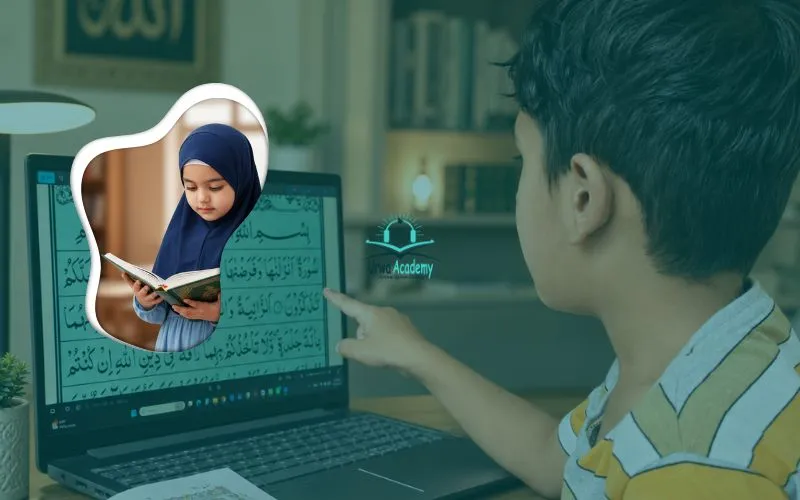
- Comfort with a screen-based lesson: some children who are already used to video calls (with family, or in remote schooling) adjust faster to a video-based class format.
A short trial class is usually the most reliable way to check this — far more useful than guessing based on birthday alone.
What Learning Looks Like at Different Starting Ages
Ages 4-6 (early starters): Lessons at this age are short, playful, and heavily repetition-based. The focus is on Arabic letter recognition and sound, not reading full words yet. Sessions are typically shorter (15-20 minutes) since attention spans are still developing. Progress at this stage looks slow week to week but builds a foundation that pays off later.
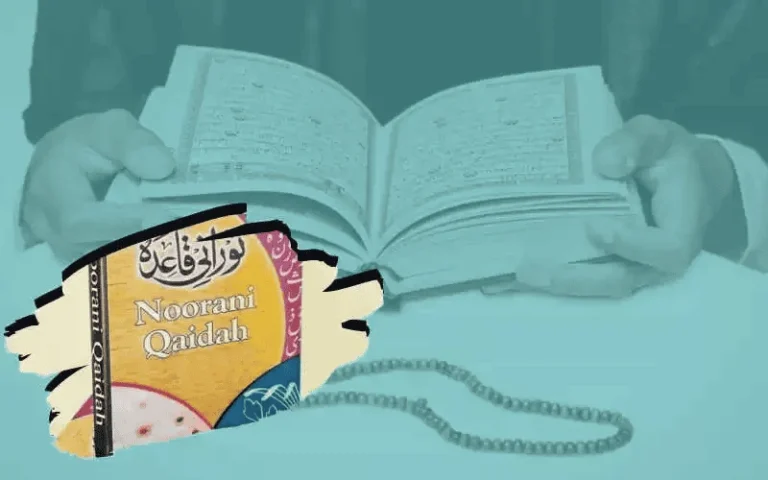
Ages 7-9: Most children in this range can handle full Noorani Qaida instruction and begin transitioning into Quran reading within the first year, assuming consistent practice. Sessions can run closer to 30 minutes.
Ages 10-13: Kids at this age often move faster through foundational material since their reading and focus skills are more developed, and can move into Tajweed and early memorization more quickly if that’s the goal.
Teens (13-18): Starting later isn’t a disadvantage — teens often grasp Tajweed rules and grammar-based learning faster than younger children because they can understand explanations more abstractly, not just by repetition. The bigger challenge at this age is usually competing time from school and other commitments, not ability.
Adults: It’s genuinely never too late. Adult beginners often worry they’ll feel out of place starting from zero, but a good teacher builds a course around exactly that starting point, without assuming prior knowledge.
Signs Your Child Might Need a Bit More Time First
- Struggles to sit through even short, engaging activities like a picture book or short video
- Gets frustrated quickly when something isn’t immediately easy
- Isn’t yet comfortable being away from a parent during a video call, even briefly
None of these are permanent — they usually resolve with a few more months of general development. Starting a little later with a child who’s genuinely ready almost always goes more smoothly than starting early with a child who isn’t, since early frustration can make a child associate learning Quran with something stressful rather than enjoyable.
What to Do If You’re Not Sure
The most reliable way to find out is a short, low-pressure trial class rather than guessing. A trial with an experienced Noorani Qaida teacher will usually make it clear within one or two sessions whether your child is ready to start regular lessons now or would benefit from waiting a few more months. There’s no downside to trying, since a good teacher will tell you honestly either way rather than pushing a child who isn’t ready yet.
If you’re an adult who’s been putting off learning to read the Quran yourself, the same logic applies; the “right age” question isn’t really about age at all; it’s about finding Online Quran Classes that start exactly where you are.
Frequently Asked Questions
Is 4 years old too young to start Quran classes?
Not necessarily. Some four-year-olds are ready, especially if they’re already comfortable sitting through short structured activities. Others do better starting closer to age 5 or 6. A short trial class is the easiest way to check.
Can a teenager start from zero with no prior Quran education?
Yes. Teenagers often progress through foundational material faster than younger children because they can understand rules and explanations directly, rather than needing everything taught through repetition alone.
What if my child loses interest after starting?
This is common in the first few weeks as a child adjusts to a new routine. A patient teacher who keeps early lessons short and engaging, rather than long and repetitive, usually helps interest pick back up. If it continues, it’s worth discussing pacing with the teacher directly rather than stopping altogether.
Is it better to wait until my child can already read in their first language?
Not necessarily. Many children begin Arabic letter recognition alongside early reading in their first language without confusion, since the two use different letter systems that children generally learn to distinguish quickly.