


Where to start with the Quran as a new Muslim? Start small. Learn Surah Al-Fatihah first, because you recite it in every prayer. Then add a few short surahs, begin learning the Arabic letters at an easy pace, and read a good English translation alongside to understand what you’re saying. You don’t need to read the whole Quran, and you don’t need to learn Arabic first. Most of what feels urgent in the first week isn’t.
If you’ve just taken your shahada, or you did it a while ago and still feel lost, this is for you. Some people say “revert” and some say “convert”. Either way, the question is the same, and a lot of people are asking it quietly.
Why does it feel so overwhelming?
Because everyone around you is trying to help, and they’re all pointing in different directions.
One person says learn to pray first. Another says read the Quran from the beginning. A third sends you a 40-video playlist on Arabic grammar. A book arrives from a well-meaning relative. All of it is good. None of it is a plan.
You also meet Muslims who seem to know everything, who grew up reciting and have done it since they were five. It’s easy to feel like you’re starting a race that’s already over. You’re not. In the U.S., Pew Research found that about 23% of Muslim adults say they converted to Islam, so a lot of people have stood exactly where you’re standing.
Nobody expects you to catch up with a childhood in a month. The goal for now is much smaller: pray with some confidence, hear the Quran regularly, and build a small habit you can keep.
What should a new Muslim learn first?
In this order, roughly.
1. Surah Al-Fatihah. It has seven verses and it’s recited in every rak’ah of prayer, so it’s the one you’ll use five times a day from the start. Learn it before anything else.
2. A couple of short surahs. Al-Ikhlas and Al-Kawthar are the usual first choices because they’re brief. They give you something to add after Al-Fatihah in prayer.
3. The Arabic letters and their sounds. Not to rush, just to begin. Ten minutes a day is plenty. This is how you slowly stop depending on transliteration.
4. A translation you understand. Read a little each day in English, so the Quran is more than sounds. It isn’t a replacement for reading the Arabic. It’s the part that makes it personal.
That’s the whole list. Everything else can wait.
What about the rest of the Quran?
It’s there, and it’s not going anywhere. You don’t have to read it front to back, and many new Muslims find that approach discouraging by the second week. Some people prefer to start with the short surahs near the end, because they’re easier and tend to be familiar to listeners.
Treat the first month as groundwork. You’re not trying to cover ground. You’re trying to make the next step easier.
A simple first-30-days plan
Here’s a plan you can adapt. It isn’t a rule, and your teacher or local imam may adjust it.
| When | Focus | Time per day |
|---|---|---|
| Week 1 | Learn to pray with Al-Fatihah. Listen to a reciter say it slowly, and repeat after them. | 10 to 15 minutes |
| Week 2 | Get comfortable with Al-Fatihah. Begin the Arabic letters and read a short translation. | 15 minutes |
| Week 3 | Add one short surah. Keep going with the letters. | 15 to 20 minutes |
| Week 4 | Revise everything. Add a second short surah if you feel ready, and have your recitation checked by a teacher. | 15 to 20 minutes |
If you miss a day, pick up the next one. If you miss a week, it’s fine. What matters more than any plan is that you come back.
Can I pray in English while I learn?
This is the most common worry, and it deserves a careful answer rather than a quick one.
Many scholars give new Muslims some allowance while they’re still learning. The usual advice is to learn Al-Fatihah and a short surah as soon as you reasonably can, and not to stay in the allowance forever. Some guidance, for example, says a person who has just become Muslim may use their own language, or follow along with a transliteration, until they’ve memorized the Arabic.
The details on this vary between scholars, and I’m not the right person to rule on your case. Ask a trusted imam or scholar near you. Ask early, before the worry grows. In the meantime, the safest and most useful thing you can do is start learning Al-Fatihah today.
Do I need to learn Arabic?
To pray and to read the Quran, you need to read the Arabic script and recite it correctly. That’s different from knowing the language. Thousands of Muslims recite beautifully without being able to hold a conversation in Arabic, and you can too.
Understanding what you recite is a separate path, and a rewarding one. You can start it through translation now and, if you want, study the language later. Reading the script comes first because everything else rests on it. For a closer look at how long that usually takes, see our guide on whether an adult can learn to read the Quran from zero.
Transliteration: helpful or a trap?
Both, a bit.
Transliteration means writing Arabic sounds in English letters. It’s useful in the first weeks, when you need to say Al-Fatihah in prayer and the script is still unfamiliar. Plenty of new Muslims start there, and it’s fine.
The trouble is that English letters can’t capture several Arabic sounds. Letters like ع, ح and ق have no real English match, so the transliteration is only an approximation. If you rely on it for months, you risk locking in mistakes.
So use it as a bridge, not a destination. Start learning the letters in the first week, even slowly, so you can drop the crutch when you’re ready.
Why does hearing it matter so much?
Because the Quran is recited, not only read.
Before you can read well, your ear needs to know what it should sound like. Listen to a clear, slow reciter every day, even while cooking or commuting. Pick one reciter and stick with him or her for a few weeks so your ear adjusts. Many learners find the slow, teaching-style recordings help most at the start.
It’s a small habit that quietly speeds up everything else.
How do I choose a teacher?
If you can, learn with a person, not only apps and videos. Recitation is a sound skill, and an app can’t hear whether you said a letter correctly. A teacher can, and can fix a mistake on day one instead of month six.
What helps new Muslims in particular:
- Patience. A teacher who has taught adult beginners won’t be surprised by where you’re starting.
- One-to-one lessons. You can go at your pace and ask anything without feeling watched.
- Someone who explains. Adults tend to learn faster when they hear where a sound comes from and why.
- A comfortable fit. If you’d feel more at ease with a woman teacher, that’s a perfectly good reason to ask for one. We have female Quran teachers for sisters who prefer it.
- Real qualifications. Ask what the teacher has studied and how they’re checked. You can see how we do this in How We Vet Our Quran Tutors.
It also helps to know what happens in the first session, so it doesn’t feel like a test. Our guide to what happens in a first Quran lesson walks through it.
What if I feel like I’m doing it wrong?
Almost everyone does. A few things that help:
- You’re allowed to be a beginner. Being new isn’t a failing. It’s the starting point everyone has passed through at some stage.
- Don’t compare your chapter one to someone else’s chapter ten. Born Muslims have had years of daily exposure. That’s their head start, not a measure of you.
- Find at least one person. Isolation is one of the commonly reported difficulties for new Muslims, and research and community leaders have said that support after conversion matters as much as the moment itself. A teacher, a local masjid welcome team, or a small online group can make the difference between a rough month and a lonely one.
- Go slowly with family and friends. You don’t need to announce your learning plan to everyone.
- Don’t take every opinion online as the rule. If something confuses or worries you, ask a trusted imam.
Mistakes that slow people down
- Trying to do everything at once. Prayer, Arabic, history, fasting rules and the whole Quran in the first month. Pick one thing.
- Starting from page one of the Quran and giving up around week three. Start with the short surahs instead.
- Only learning from videos with nobody to correct you. Useful as a supplement. Not a replacement.
- Staying on transliteration indefinitely. Use it as a bridge, then move on.
- Waiting until you feel ready to ask for help. Ask now. That’s what teachers are for.
- Going quiet when you feel embarrassed. A good teacher would rather hear it.
How will I know it’s working?
Look for small signs, not a finish line:
- You can say Al-Fatihah in prayer without reading it letter by letter.
- You recognize a few Arabic letters on a page without a second thought.
- You notice words from your surahs when you hear a reciter.
- Your teacher corrects fewer repeat mistakes.
- You’ve done something, even a little, most days for two weeks.
Where Urwa Academy comes in
At Urwa Academy, we’ve taught more than 1,400 students from over 40 countries across eleven years, and adult beginners, including people new to Islam, are welcome. Every tutor goes through qualification checks, must be a Hafiz or Hafizah, has their Tajweed assessed, and gets months of training before meeting a student. We also test students each month and share progress, so you aren’t guessing whether it’s working.
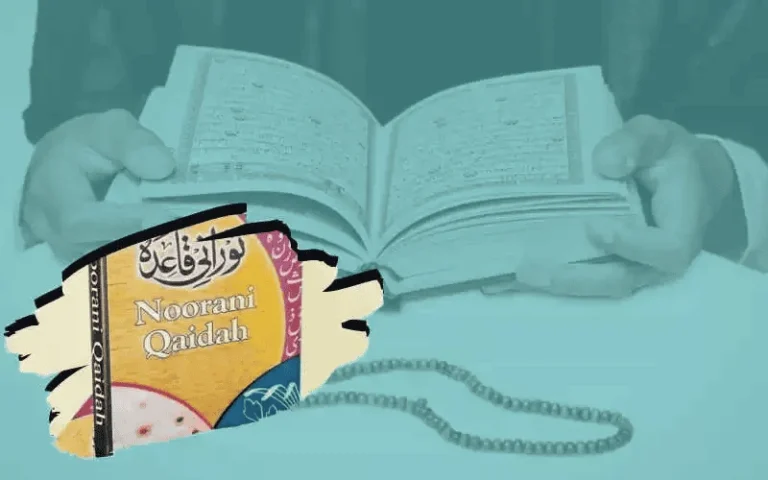
If you’d like to start with a patient teacher, take a look at our online Quran classes and begin with a free trial lesson. Our Noorani Qaida course is a common starting point for the Arabic letters, and our learn to read Quran page shows the whole path from letters to fluent reading.
Frequently Asked Questions
Where should a new Muslim start with the Quran?
Start with Surah Al-Fatihah, because it’s recited in every prayer. Then add a few short surahs, begin learning the Arabic letters slowly, and read a translation you understand alongside. You don’t need to read the whole Quran or learn Arabic first.
Can I pray in English if I don’t know Arabic yet?
Many scholars give new Muslims some allowance while they’re learning, and expect them to learn Al-Fatihah and a short surah as soon as they can. Details vary, so ask a trusted imam or scholar about your own situation, and start learning Al-Fatihah right away.
How long does it take a new Muslim to learn to read the Quran?
It depends on your starting point and practice. Most adults with no Arabic learn the letters in a few weeks and start reading simple words within a few months. Smooth reading with basic Tajweed often takes six months to a year and a half. These are teacher estimates, not research findings.
Do I need to learn Arabic to read the Quran?
No. Reading the Arabic script and reciting it correctly is separate from speaking or understanding the language. You can recite well without being fluent, and you can study meaning through translation at the same time.
Is it okay to use transliteration?
Yes, as a bridge in the early weeks. Since English letters can’t capture every Arabic sound, start learning the letters early so you can move away from it over time.
Should I learn from a teacher or from apps and videos?
Apps and videos help between lessons, but a teacher can hear and correct your recitation, which a video can’t. Most beginners do best with a teacher plus short daily practice.
Not sure where to begin? Book a free trial class and let a teacher listen to where you are. No pressure, no judgment.